

(An olderterm, no longer generally in use, is „Earned Surplus“.) Retainedearnings represents the accumulation of earnings less dividendssince the beginning of the company or accounting entity. Investors want to see an increasing number of dividends or a rising share price. Although they’re shareholders, they’re a few steps removed from the business. A retained earnings statement is one concrete way to determine if they’re getting their return on investment. By comparing retained earnings balances over time, investors can better predict future dividend payments and improvements to share price. A negative retained earnings balance signals that a company has accrued more losses or paid more dividends than it has earned.
- A statement of retained earnings is a financial document that outlines the changes in a company’s retained earnings over a specific accounting period.
- Your retained earnings can thus be seen as the reserves for future strategy plays or a cushion for financial hiccups.
- Within a company, these numbers illustrate management’s prowess in using profits effectively and deciding on dividend distributions.
- Retained earnings represent the accumulated profits of the company that have been reinvested rather than distributed to shareholders.
- Dividends are the slices of the profit pie that shareholders eagerly await, representing a reward for their investment in your company.
How to prepare a statement of retained earnings in 5 steps.
If you’re dipping your toes into financial reporting, you might find the statement of retained earnings statement of retained earnings quite straightforward, and surprisingly insightful. The statement of retained earnings is a financial statement that summarizes the changes in the amount of retained earnings during a particular period of time. Your beginning retained earnings are the retained earnings on the balance sheet at the end of 2020 ($200,000, for example).
Subtract Dividends Paid
Whether you’re a business owner or investor, preparing and analyzing this statement ensures the retained earnings account is up to date, promoting transparency and informed decision-making. The cash flow statement tracks cash movement in and out of your business, including operating, investing, and financing activities. Unlike the cash flow statement, which focuses on liquidity, the retained earnings statement is accrual-based, showing profits and losses whether or not they resulted in cash flow. Although this statement is not included in the four main general-purpose financial statements, it is considered important to outside users for evaluating changes in the RE account. This statement is often used to prepare before the statement of stockholder’s equity because retained earnings is needed for the overall ending equity calculation.
- A statement of retained earnings is a financial statement that shows the changes in a company’s retained earnings balance over a specific accounting period.
- On a typical balance sheet, retained earnings are listed under the equity section, usually below common stock and additional paid-in capital.
- While both are part of retained earnings, they serve different purposes and signal unique information to the users of the financial statements.
- It is important to properly document and explain any adjustments made to retained earnings to ensure transparency and accuracy in financial reporting.
- Understanding the difference is key in making effective business decisions and conveying a truthful financial picture to stakeholders.
Which of the following financial statements should be prepared first?
- An important tool in this process is the statement of retained earnings.
- If the company did not pay out any dividends, the value should be indicated as $0.
- In some cases, you may have to make changes because of errors in previous periods or shifts in accounting methods.
- For example, a beverage processing company may introduce a new flavor or launch a completely different product that boosts its competitive position in the marketplace.
Most good accounting software can help you create a statement of retained earnings for your business. Yes, retained retained earnings earnings usually have a credit balance, reflecting profits not distributed as dividends. When losses surpass profits, a debit balance, also known as an “accumulated deficit,” occurs.
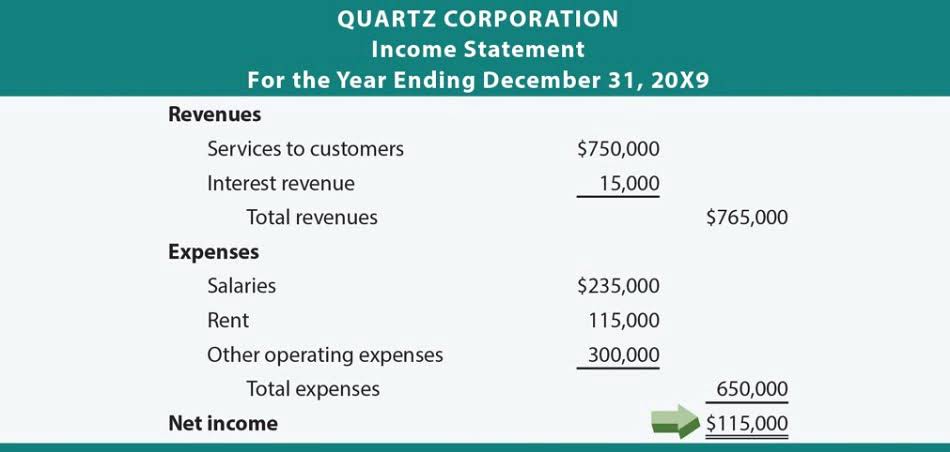
We need to account for the prior period adjustment, which increases retained earnings by $10,000. Prepare the statement of retained earnings for XYZ Corporation for the year ended December 31, 2023. Let’s go through a comprehensive example to illustrate the preparation of a statement of retained earnings. Below is a simplified example of a retained earnings statement for a single quarter.
Add Net Income or Subtract Net Loss

While retained earnings signal the potential for wealth creation through reinvestment, they do not equate to immediate financial affluence. Their essence is strategic, more a story of growth and potential than a snapshot of wealth. To ensure you have a crystal-clear understanding of the retained earnings calculation process, let’s walk through Zippy Tech’s example, step by step.

Retained earnings represent the cumulative net income that a company has kept rather than distributed, and they appear under the equity section alongside items like common stock and additional paid-in capital. Retained earnings refer to the portion of a company’s net income that is kept or „retained“ within the business rather than distributed to shareholders as dividends. These earnings are typically reinvested in the business for growth, used to Outsource Invoicing pay down debt, or held as a reserve for future needs. Retained earnings are profits that are left over after dividends have been paid out to shareholders.